Garlic Rosemary Beef Tips: A Rustic Comfort Food Classic
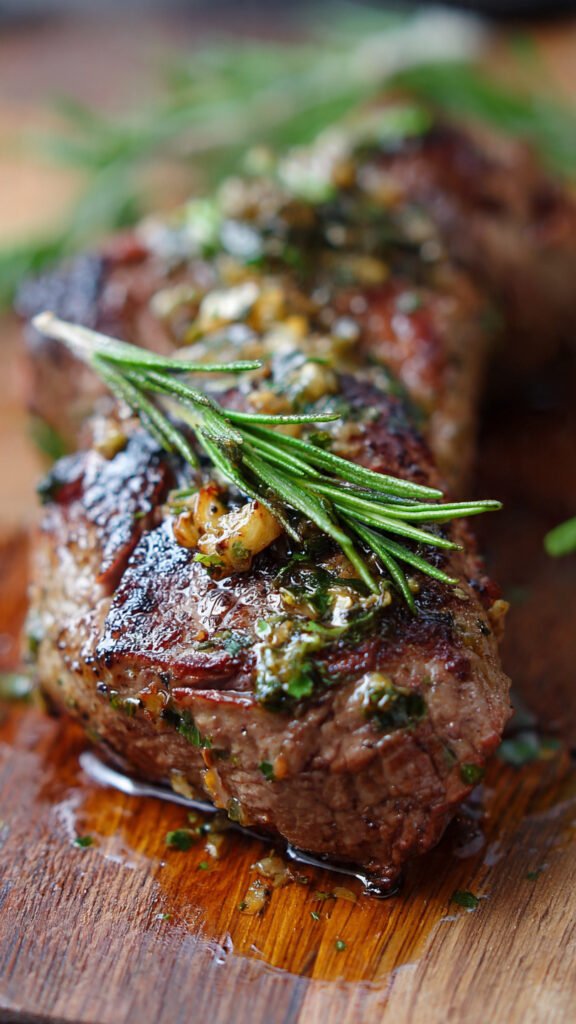
There’s something deeply satisfying about a dish that fills your home with mouthwatering aromas while requiring minimal hands-on effort. Garlic Rosemary Beef Tips delivers exactly that—a restaurant-quality meal that transforms affordable cuts of beef into something truly spectacular. This recipe combines tender chunks of beef with fragrant rosemary, robust garlic, and a silky wine-enriched gravy that begs to be soaked up with crusty bread or spooned over fluffy mashed potatoes.
What makes this dish particularly appealing is its flexibility. Whether you’re cooking for a casual Tuesday night or preparing an impressive weekend feast, these beef tips adapt beautifully to any occasion. The slow-simmering process does most of the work for you, allowing the flavors to meld and deepen while the meat becomes impossibly tender. The result is a hearty, soul-warming meal that tastes like you’ve been cooking all day—even though the active preparation time is surprisingly short.
The beauty of beef tips lies in their accessibility. Using sirloin tips or stew meat keeps the cost reasonable while still delivering exceptional flavor. When properly seared and slowly braised in a savory liquid infused with aromatic herbs and vegetables, even the toughest cuts become fork-tender. The addition of Worcestershire sauce adds a subtle umami depth, while fresh rosemary provides that signature herbal note that elevates the entire dish.
What You’ll Need
For 4 Servings:
- 2 lbs beef sirloin tips or stew meat, cut into bite-sized cubes
- 3 tablespoons olive oil
- 1 cup beef broth (use good quality for best results)
- ½ cup red wine (substitute with additional broth if avoiding alcohol)
- 1 tablespoon Worcestershire sauce
- 1 medium onion, finely diced
- 4 cloves garlic, minced
- 1 tablespoon fresh rosemary, finely chopped (or 1 teaspoon dried)
- 1 teaspoon onion powder
- 1 teaspoon garlic powder
- Salt and freshly ground black pepper, to taste
- 1 tablespoon cornstarch (optional, for thicker gravy)
- 2 tablespoons cold water (if using cornstarch)
Time Investment:
- Preparation: 15 minutes
- Cooking: 1 hour 45 minutes
- Total: 2 hours
Nutritional Information:
Approximately 420 calories per serving
Step-by-Step Cooking Instructions
Preparing and Seasoning the Beef
Begin by placing your cubed beef in a large mixing bowl. This is where the flavor-building starts. Generously season the meat with salt, freshly ground black pepper, onion powder, and garlic powder. Use your hands to toss and massage the seasonings into the beef, ensuring every piece is well coated. Allow the seasoned meat to rest for 5–10 minutes while you prepare your cooking vessel. This brief marinating period allows the seasonings to penetrate the surface of the meat, creating flavor from the inside out.
Achieving the Perfect Sear
Heat a large skillet or Dutch oven over medium-high heat and add the olive oil. Once the oil shimmers and moves easily across the pan, you’re ready to sear. Here’s a crucial tip: don’t crowd the pan. Working in batches, add the beef pieces with space between them. Overcrowding causes steaming instead of searing, which means you’ll miss out on that beautiful caramelized crust. Sear each batch for 5–7 minutes, turning occasionally to brown all sides. The meat should develop a rich, golden-brown exterior. Transfer the seared pieces to a clean plate and continue with remaining batches.
This searing step is non-negotiable if you want maximum flavor. The browning process, known as the Maillard reaction, creates hundreds of complex flavor compounds that add depth and richness to the final dish.
Building the Aromatic Base
In the same pan (don’t clean it—those browned bits are pure flavor), add the diced onion. Cook for 3–4 minutes, stirring occasionally, until the onion becomes translucent and begins to take on a light golden color. The residual heat from the pan will help soften the onion quickly. Next, add the minced garlic and chopped rosemary. Reduce the heat slightly to prevent burning, and stir constantly for about 1 minute. You’ll know it’s ready when the kitchen fills with an irresistible aroma of garlic and herbs.
Deglazing and Creating the Sauce
Pour the red wine into the pan and immediately begin scraping the bottom with a wooden spoon or spatula. All those caramelized bits stuck to the pan—called fond—contain concentrated flavor that will enrich your sauce. As you scrape and stir, watch the wine reduce for about 2 minutes. This allows some of the alcohol to cook off while concentrating the wine’s flavor.
Add the beef broth and Worcestershire sauce, stirring to combine everything into a cohesive liquid. If you’re avoiding alcohol, simply use additional broth and add a splash of balsamic vinegar to replicate the acidity and slight sweetness that wine provides.
The Slow Simmer
Return all the seared beef to the pan, along with any accumulated juices. Reduce the heat to low, cover with a tight-fitting lid, and let the magic happen. The beef needs to simmer gently for 1½ to 2 hours. During this time, check occasionally and give it a stir to prevent sticking and ensure even cooking. The low, slow heat breaks down the connective tissue in the meat, transforming tough cuts into tender, succulent bites. Meanwhile, the sauce reduces and intensifies, becoming richer with every passing minute.
You’ll know the beef is done when it’s fork-tender—meaning you can easily pierce it with a fork and it almost falls apart. The sauce should have reduced to about half its original volume and taken on a deep, glossy appearance.
Optional Gravy Enhancement
If you prefer a thicker, more gravy-like consistency, create a cornstarch slurry. Mix 1 tablespoon cornstarch with 2 tablespoons cold water in a small bowl until completely smooth. Stir this mixture into the simmering beef, then cook uncovered for 5–7 minutes. The sauce will thicken noticeably. Remember: never add cornstarch directly to hot liquid, as it will clump instantly.
Plating and Serving
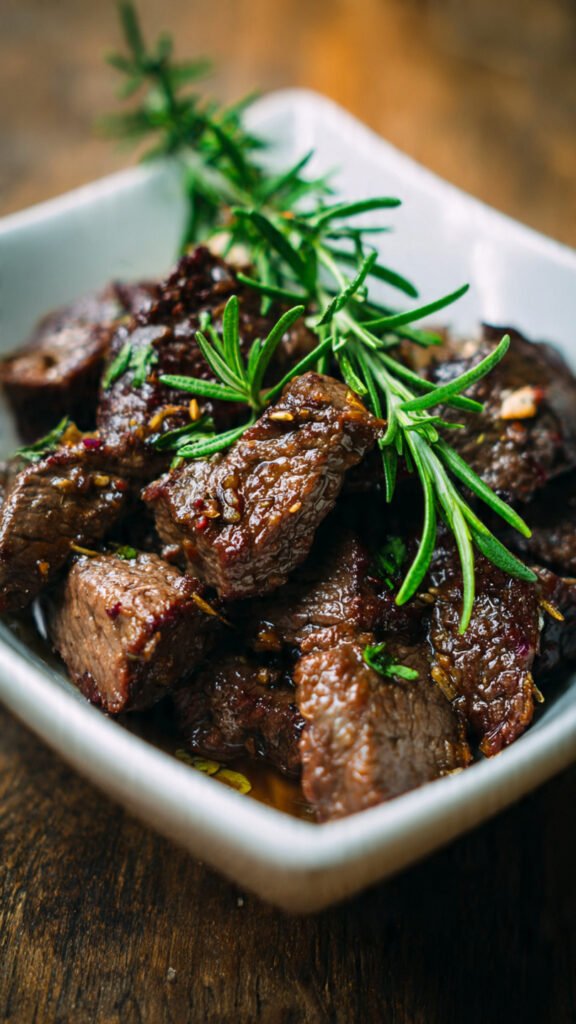
Serve the beef tips hot, spooning generous amounts of the aromatic gravy over your chosen base. Classic pairings include creamy mashed potatoes, buttered egg noodles, fluffy rice, or even creamy polenta. Garnish with a small sprig of fresh rosemary for an elegant presentation.
Expert Tips and Creative Variations
Choosing Your Beef: Sirloin tips offer a leaner option with naturally tender texture, while chuck roast or stew meat provides richer flavor at a lower cost. Fattier cuts require longer cooking times but reward you with even more tender results.
Alcohol-Free Version: Replace wine with equal parts beef broth plus one teaspoon of balsamic vinegar. This maintains the acidity and subtle sweetness that balance the rich gravy.
Customizing Garlic Intensity: For garlic lovers, consider roasting whole garlic cloves beforehand and mashing them into the sauce. This creates a sweeter, mellower garlic flavor that permeates the entire dish.
Vegetable Additions: Transform this into a complete one-pot meal by adding mushrooms, carrots, or pearl onions during the final hour of simmering. They’ll absorb the flavorful sauce while adding nutritional value and visual appeal.
Perfect Accompaniments: Serve alongside garlic bread for soaking up extra gravy, steamed green beans for freshness, or roasted Brussels sprouts for a slightly bitter contrast to the rich beef.
Storage and Meal Prep
These beef tips store exceptionally well, making them ideal for meal preparation. Transfer cooled leftovers to an airtight container and refrigerate for up to 4 days. For longer storage, freeze in portion-sized containers for up to 3 months. When reheating, add a splash of broth to restore the sauce’s silky consistency. Many people find the flavor actually improves after a day in the refrigerator, as the seasonings have more time to penetrate the meat.
Wine and Pairing Suggestions
This savory dish pairs beautifully with full-bodied red wines like Cabernet Sauvignon or Merlot. The wine’s tannins complement the rich meat while the fruit notes balance the herbaceous rosemary. For non-alcoholic options, consider sparkling water with a twist of lemon or a robust iced tea.
Complete the meal with rustic sourdough bread, garlicky sautéed spinach, or for a low-carb option, try buttery mashed cauliflower as a potato substitute.
Why This Recipe Works
Garlic Rosemary Beef Tips succeeds because it respects fundamental cooking principles while remaining accessible to home cooks. The searing step builds flavor, the slow simmer tenderizes the meat, and the herb-infused sauce ties everything together. Fresh rosemary provides a fragrant, slightly pine-like note that perfectly complements beef’s natural richness, while garlic adds pungency and depth.
This dish proves that impressive cooking doesn’t require exotic ingredients or complicated techniques—just quality ingredients, proper technique, and patience. It’s the kind of recipe that becomes a family favorite, requested for special occasions and cozy weeknight dinners alike. Once you master this preparation, you’ll find yourself returning to it again and again, perhaps experimenting with different herbs or vegetables based on what’s in season or what strikes your fancy.
The combination of affordability, ease of preparation, and spectacular results makes Garlic Rosemary Beef Tips a true winner in any home cook’s repertoire.