Shrimp and Spinach Stuffed Pasta Rolls with Roasted Red Pepper Cream
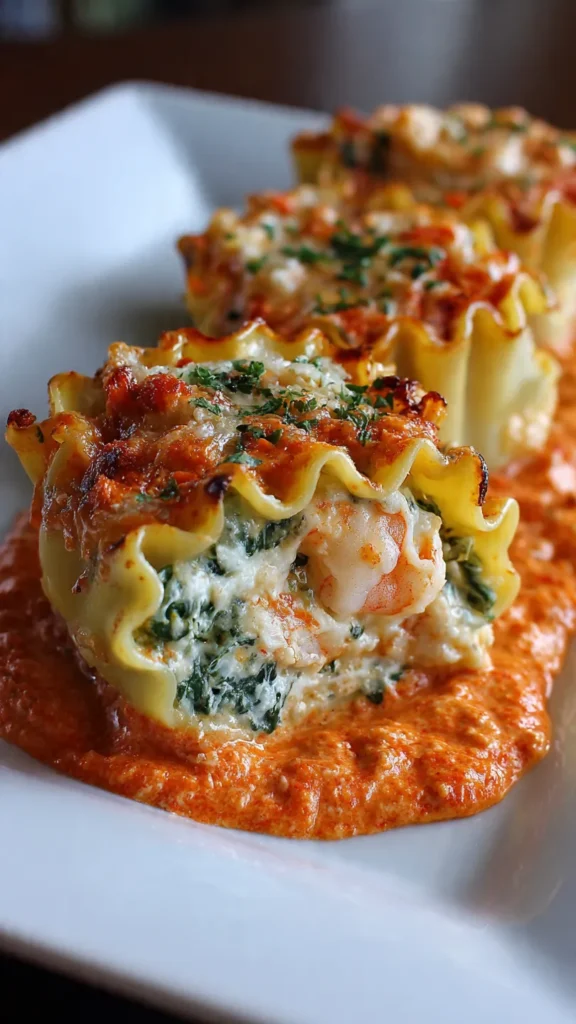
Imagine tender lasagna noodles wrapped around a luscious filling of succulent shrimp, wilted spinach, and three creamy cheeses, all bathed in a velvety roasted red pepper cream sauce. This isn’t just dinner—it’s an experience that transforms your kitchen into a fine dining destination. Shrimp and Spinach Stuffed Pasta Rolls with Roasted Red Pepper Cream delivers restaurant-quality elegance with surprisingly simple preparation, making it perfect for everything from Tuesday night family meals to impressive dinner parties that’ll have your guests asking for the recipe.
What sets this dish apart is its masterful layering of flavors and textures. The shrimp provides delicate sweetness and satisfying protein, while fresh spinach adds earthiness and gorgeous green color throughout each roll. The trio of ricotta, mozzarella, and Parmesan creates an irresistibly creamy filling that melts into pure comfort with every forkful. But the real star? That smoky, tangy roasted red pepper cream sauce that brings everything together in perfect harmony, coating each pasta roll with luxurious richness that’ll make you close your eyes and savor every bite.
Beyond its incredible taste, this recipe offers wonderful versatility for different preferences and dietary needs. Swap the shrimp for diced chicken breast, crumbled Italian sausage, or even plant-based alternatives like seasoned tofu or sautéed mushrooms. Want to go fully vegetarian? Replace the shrimp with a combination of diced zucchini and mushrooms for an equally satisfying meatless version. The roasted red pepper cream sauce works beautifully with any protein choice, making this recipe endlessly adaptable to your family’s tastes and dietary requirements.
The preparation process is more straightforward than you might expect for such an elegant dish. While it does involve multiple components, each step builds naturally on the last, and much of the work can be done ahead of time. You can prepare the filling a day in advance, cook and store the pasta rolls assembled but unbaked, or even make the entire dish and freeze it for a convenient make-ahead meal. This flexibility makes it ideal for busy weeknights when you want something special without the stress, or for entertaining when you’d prefer to spend time with guests rather than stuck in the kitchen.
Serving suggestions abound with this versatile main course. Pair it with a crisp Caesar salad featuring crunchy romaine, shaved Parmesan, and homemade croutons for textural contrast. Warm, crusty garlic bread is perfect for soaking up every drop of that incredible roasted red pepper cream sauce—trust me, you won’t want to waste a single bit. A light arugula salad with lemon vinaigrette offers a peppery, bright counterpoint to the rich, creamy pasta. For wine lovers, a crisp Pinot Grigio or buttery Chardonnay complements the seafood and cream beautifully, while a light rosé works wonderfully in warmer months.
Let’s talk about why each ingredient matters and how they work together. The shrimp should be fresh or high-quality frozen, peeled and deveined for convenience. Chopping them finely helps distribute the seafood throughout the filling, ensuring every bite contains that sweet, delicate flavor. Fresh spinach is preferable to frozen because it has better texture and flavor, plus you have more control over moisture content—a crucial factor in preventing watery filling. The three-cheese combination isn’t just indulgent; each cheese serves a purpose. Ricotta provides the creamy base, mozzarella adds stretchiness and mild flavor, while Parmesan brings sharp, salty complexity that elevates the entire filling.
The roasted red pepper cream sauce deserves special attention because it’s what transforms this from a good pasta dish into an extraordinary one. Roasted red peppers—whether you roast your own or use high-quality jarred ones—bring smoky sweetness and vibrant color. When blended with heavy cream, butter, garlic, and Parmesan, they create a sauce that’s simultaneously rich and bright, creamy yet complex. The slight tang from the peppers cuts through the richness of the cream and cheese, creating perfect balance that keeps you coming back for another forkful.
Make-ahead and storage tips make this recipe even more practical for real-life cooking. Assemble the pasta rolls up to 24 hours in advance, cover tightly with plastic wrap, and refrigerate until ready to bake—just add 5-10 extra minutes to the covered baking time if starting from cold. The sauce can be prepared up to three days ahead and stored in an airtight container in the refrigerator; simply reheat gently before pouring over the rolls. For longer storage, freeze the assembled, unbaked dish for up to three months. Thaw overnight in the refrigerator before baking as directed, again adding a few extra minutes to ensure everything heats through completely.
Leftover pasta rolls (if you’re lucky enough to have any!) reheat beautifully. Store them in an airtight container in the refrigerator for up to three days. Reheat individual portions in the microwave for 2-3 minutes, or warm the entire dish covered with foil in a 350°F oven for 15-20 minutes until heated through. The sauce may thicken upon standing; thin it with a splash of cream or milk when reheating if needed. These rolls also make excellent meal prep—portion them into individual containers for grab-and-go lunches that’ll make your coworkers incredibly envious.
Nutritional considerations make this dish a balanced meal option. The shrimp provides lean protein and important nutrients like selenium and vitamin B12. Spinach contributes iron, vitamin K, and antioxidants. While the cheese and cream sauce are indulgent, they also provide calcium and protein. One serving delivers approximately 450-500 calories, making it a reasonable main course when paired with lighter sides. For a lighter version, you could use part-skim ricotta, reduce the cream by half and supplement with milk, or use a smaller amount of sauce per roll while still enjoying all those incredible flavors.
Kitchen tips ensure success every time you make this recipe. When cooking lasagna noodles, add a tablespoon of olive oil to the water to prevent sticking, and lay them flat on a lightly oiled surface immediately after draining to keep them separated. If a noodle tears during rolling, don’t worry—simply overlap the torn edges and continue rolling; the sauce will hold everything together during baking. For the smoothest sauce, use a blender or immersion blender to puree the roasted red peppers before adding them to the cream. This creates an elegant, restaurant-style appearance without any chunky bits.
Variations and substitutions let you customize this recipe to your preferences. Add a pinch of red pepper flakes to the filling for subtle heat, or stir in sun-dried tomatoes for extra Mediterranean flavor. Fresh herbs like basil, oregano, or thyme can be mixed into the filling or sprinkled on top before serving. For a more budget-friendly version, replace half the shrimp with finely chopped chicken breast or use all chicken instead. The recipe also works beautifully with jumbo pasta shells instead of lasagna noodles—simply stuff the shells with the filling and proceed with the same sauce and baking instructions.
Presentation tips elevate this dish from homestyle comfort food to dinner party showpiece. Arrange the pasta rolls in a single layer in a beautiful baking dish that can go from oven to table. Garnish the finished dish with fresh herbs, a drizzle of good olive oil, or a sprinkle of extra Parmesan cheese. For individual servings, plate two rolls per person with sauce pooled beneath and around them, then add a small arugula salad on the side for color contrast. A final flourish of fresh basil chiffonade or chopped parsley adds restaurant-worthy visual appeal and fresh flavor.
This recipe also teaches valuable cooking techniques that transfer to other dishes. Rolling filled pasta demonstrates fundamental Italian cooking methods used in manicotti, cannelloni, and other stuffed pasta preparations. Making cream sauce teaches the basics of emulsion and reduction that apply to countless other recipes. Balancing flavors—the sweetness of shrimp and roasted peppers against the saltiness of Parmesan and the earthiness of spinach—illustrates fundamental principles of creating harmonious dishes that satisfy multiple taste dimensions.
Whether you’re an experienced home cook looking to expand your repertoire or someone building confidence in the kitchen, Shrimp and Spinach Stuffed Pasta Rolls with Roasted Red Pepper Cream offers the perfect combination of approachability and sophistication. It’s forgiving enough for beginners yet impressive enough for experienced cooks to serve with pride. Most importantly, it delivers exceptional flavor that brings people together around the table, creating memorable meals and moments worth savoring long after the last bite.
Table of Contents
Ingredients
For the Pasta Rolls:
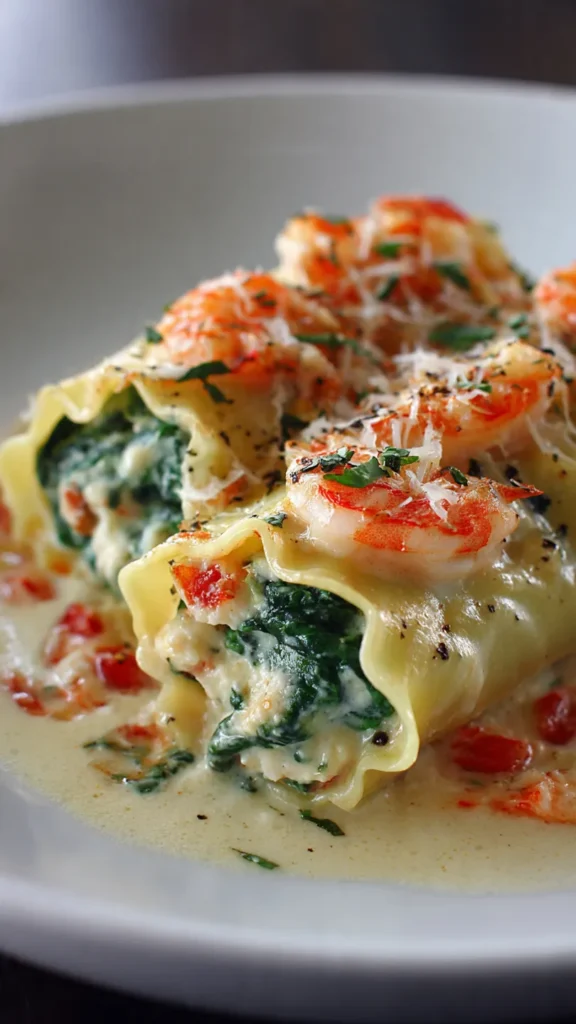
- 12 lasagna noodles, cooked to al dente perfection
- 1 pound fresh shrimp, peeled, deveined, and finely chopped
- 2 cups fresh spinach leaves, roughly chopped
- 2 cloves garlic, minced
- 1 cup whole milk ricotta cheese
- ½ cup fresh mozzarella, shredded
- ¼ cup Parmesan cheese, freshly grated
- 1 large egg, lightly beaten
- Salt and freshly ground black pepper, to taste
- 1 tablespoon extra virgin olive oil
For the Roasted Red Pepper Cream Sauce:
- 2 tablespoons unsalted butter
- 2 cloves garlic, finely minced
- 1 cup roasted red peppers, drained and chopped
- 1 cup heavy cream
- ½ cup Parmesan cheese, freshly grated
- Salt and freshly ground black pepper, to taste
Instructions
Step 1: Prepare the Shrimp and Spinach Filling
Heat the olive oil in a large skillet over medium heat until it shimmers. Add the minced garlic and sauté for about 60 seconds, stirring constantly until it becomes fragrant and just begins to turn golden—be careful not to let it burn. Add the chopped shrimp to the skillet, spreading them in an even layer. Cook for 3-4 minutes, stirring occasionally, until the shrimp turn pink and opaque throughout. They’ll continue cooking slightly during baking, so don’t overcook them at this stage.
Add the chopped spinach to the skillet with the shrimp. Stir everything together and cook for approximately 2 minutes until the spinach wilts completely and releases its moisture. The vibrant green color will deepen slightly as it cooks. Transfer the shrimp and spinach mixture to a large mixing bowl and let it cool for 5-10 minutes. This cooling period prevents the egg from scrambling when you add it to the mixture.
Once cooled, add the ricotta cheese, shredded mozzarella, grated Parmesan, and beaten egg to the bowl. If there’s excess liquid from the spinach, gently squeeze it out before mixing. Stir all ingredients together until thoroughly combined and the mixture is creamy and cohesive. Season generously with salt and freshly ground black pepper, tasting and adjusting as needed. The filling should be well-seasoned since it’s the flavor base for the entire dish.
Step 2: Assemble the Pasta Rolls
Lay the cooked lasagna noodles flat on a clean, dry work surface or large cutting board. If they’re slightly sticky, you can brush them lightly with olive oil to make rolling easier. Working with one noodle at a time, spoon approximately 3-4 tablespoons of the shrimp and spinach filling along one short edge of the noodle, spreading it in an even layer but leaving about half an inch bare on each long side. This prevents filling from squeezing out during rolling.
Starting from the filled edge, carefully roll the noodle up tightly but gently, keeping the filling enclosed as you go. The roll should be snug but not so tight that filling pushes out the ends. Place each completed roll seam-side down in a greased 9×13-inch baking dish. Arrange the rolls side by side in a single layer, fitting them snugly together but not overlapping. You should be able to fit all 12 rolls comfortably in a standard baking dish. This close arrangement helps them maintain their shape during baking.
Step 3: Create the Roasted Red Pepper Cream Sauce
Melt the butter in a medium saucepan over medium heat, swirling the pan occasionally until it’s completely melted and just beginning to foam. Add the minced garlic and sauté for about 1 minute, stirring frequently until fragrant and softened but not browned. The butter should remain golden and aromatic, not dark or burnt.
Add the chopped roasted red peppers to the saucepan. Stir them into the butter and garlic, cooking for 2 minutes to allow the flavors to meld together. The peppers will become more fragrant as they heat. For a smoother, more elegant sauce, you can blend the peppers with a splash of cream using an immersion blender or regular blender before adding them to the pan.
Pour in the heavy cream, stirring to combine everything evenly. Bring the mixture to a gentle simmer—you should see small bubbles breaking the surface, but it shouldn’t be at a rolling boil. Reduce the heat to medium-low and whisk in the grated Parmesan cheese. Continue cooking for 5-7 minutes, stirring frequently, until the sauce thickens enough to coat the back of a spoon. The consistency should be pourable but not watery. Season with salt and freshly ground black pepper to taste, remembering that Parmesan adds saltiness so taste before adding extra salt.
Step 4: Bake the Pasta Rolls
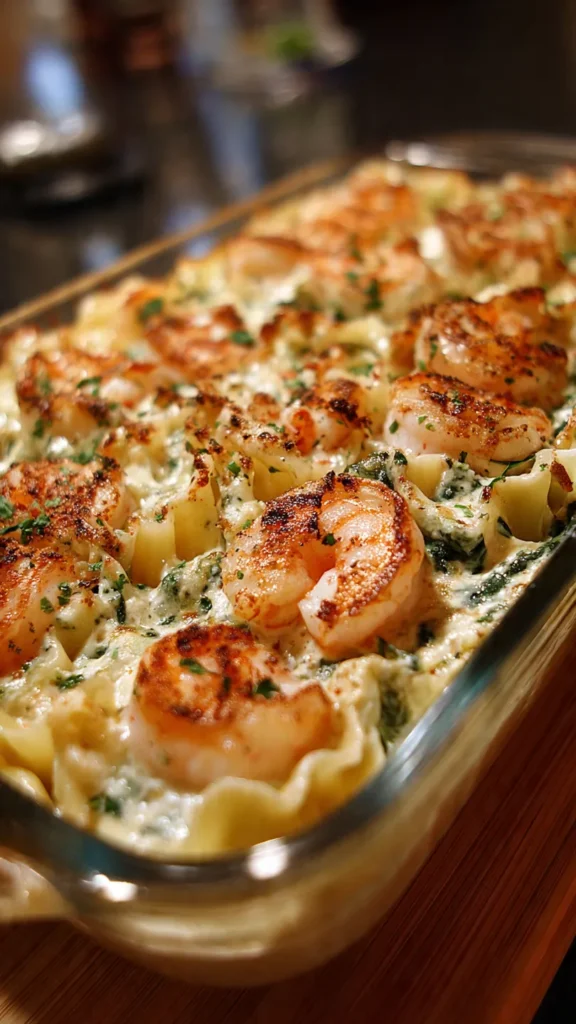
Preheat your oven to 375°F (190°C) while you’re preparing the sauce. Pour the roasted red pepper cream sauce evenly over all the assembled pasta rolls in the baking dish, making sure each roll is generously coated. Use a spoon to guide sauce into any gaps between rolls. Sprinkle additional grated Parmesan cheese over the top for extra flavor and to create a beautiful golden crust during baking.
Cover the baking dish tightly with aluminum foil, making sure it doesn’t touch the sauce (you can tent it slightly if needed). Bake for 20 minutes covered, which allows the rolls to heat through and the flavors to meld without the top browning too quickly. Remove the foil and bake for an additional 10 minutes uncovered, until the sauce is bubbling vigorously around the edges and the top develops golden-brown spots. The cheese on top should be melted and beginning to caramelize in places.
Step 5: Serve and Enjoy
Remove the baking dish from the oven and let it rest for 5 minutes before serving. This resting period allows the sauce to thicken slightly and the rolls to set, making them easier to serve without falling apart. The flavors also have a chance to settle and intensify during this brief rest.
Garnish with freshly chopped basil or flat-leaf parsley for a pop of color and fresh flavor that brightens the rich sauce. Serve the pasta rolls hot, plating 2-3 rolls per person depending on appetite and what else you’re serving. Make sure each serving gets plenty of that delicious roasted red pepper cream sauce. Pair with crusty garlic bread for soaking up extra sauce, and a crisp green salad with lemon vinaigrette to balance the richness.
Notes
Perfect Pasta Texture: Cook the lasagna noodles to al dente, which means they should have a slight firmness when you bite into them. They’ll continue cooking in the oven, so slightly undercooked is better than overcooked. Overcooked noodles become mushy and tear easily during rolling, making assembly frustrating and messy.
Preventing Watery Filling: After cooking the spinach, squeeze out as much excess moisture as possible. You can do this by pressing the cooked spinach against the side of the skillet with a wooden spoon, or transfer it to a clean kitchen towel and squeeze firmly. Excess moisture will make the filling runny and cause it to leak out during baking, resulting in a watery final dish.
Sauce Consistency Options: For a completely smooth, restaurant-style sauce, blend the roasted red peppers with a splash of cream before adding them to the pan. Use an immersion blender right in the saucepan or transfer to a regular blender. If you prefer some texture and visual interest, simply chop the peppers finely and leave the sauce rustic and chunky.
Make-Ahead Instructions: Assemble the pasta rolls up to 24 hours ahead, cover tightly with plastic wrap, and refrigerate. Make the sauce separately and store it in an airtight container. When ready to serve, pour the sauce over the cold rolls and add 5-10 minutes to the covered baking time.
Freezing Guidelines: Freeze the assembled, unbaked dish (without sauce) for up to 3 months. Wrap tightly in plastic wrap, then aluminum foil. Thaw completely in the refrigerator overnight, add sauce, and bake as directed with a few extra minutes for thorough heating.